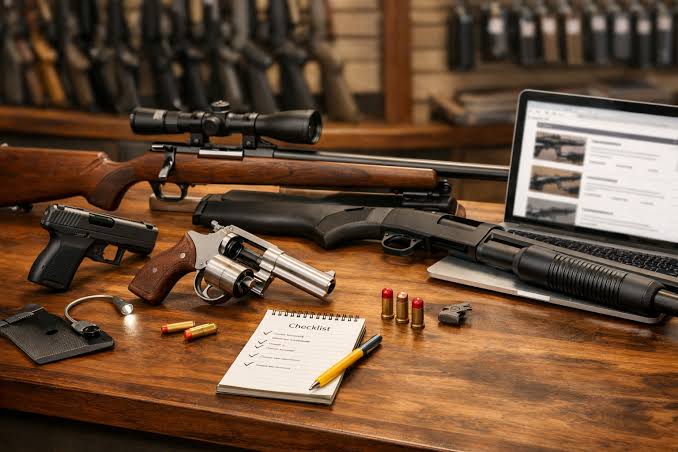

A scope can outlast the rifle or setup it was first bought for. When that happens, selling it can help another owner find a useful optic while returning some of its value to you. The resale market is shaped by model demand, condition, and how a seller chooses to complete the transaction. This guide explains how to assess those factors, set an asking price, and prepare a clear, responsible listing.
How the resale market for firearm optics works
The market for pre-owned firearm optics brings together buyers looking for a particular model and sellers ready to move on from equipment they no longer use. Prices and interest can vary widely, even among scopes that look similar at a glance. A little research helps explain why one optic attracts quick inquiries while another takes longer to sell. It also helps sellers choose an approach that fits their priorities.
Why buyers consider pre-owned scopes
A used scope may appeal to someone who wants a specific model or is comparing options at different price points. Buyers may also value a known design that suits their existing setup. The tradeoff is that a pre-owned item has a history, and its condition can’t be judged from the model name alone. Clear photos and a candid description help buyers weigh that history against the asking price.
Which optic categories tend to attract interest
Interest depends on what buyers are looking for at a given time, so no category is guaranteed to sell quickly. Rifle scopes, red dots, magnifiers, and other optics can each attract buyers when the model, condition, and price align. Specialized equipment may appeal to a narrower audience, which can make patience and accurate identification more important. Listing the item by its precise type and model makes it easier for the right buyer to find.
How brand reputation and model availability influence demand
A recognizable manufacturer or familiar model can make it easier for buyers to research an optic and compare it with other listings. That familiarity is not a promise of a particular resale price; condition and current availability still matter. If the same model is easy to find new or used, buyers have more alternatives. A less common model may attract a focused buyer, but could take longer to match with one.
How new-product releases can affect resale interest
When a newer version becomes available, buyers may compare its features and price with those of earlier generations. Some will prefer the newer model, while others may still seek a previous version that meets their needs. The effect on resale interest depends on the differences between versions and the supply of each one. Sellers can help buyers make that comparison by stating the exact generation rather than relying on a broad product family name.
What affects a used optic’s value
An optic’s resale value reflects more than its original retail price. Buyers weigh its current condition, age, included items, and the amount of comparable inventory available. Small details can matter: an intact adjustment control and clean glass are more reassuring than a vague claim that an item is “like new.” Treat accurate condition details as part of the value you offer, not just a formality in the listing.
Condition of the lenses, body, and adjustment controls
The lenses, exterior, and controls each tell buyers something different about how an optic was stored and used. Describe visible marks on the body separately from any issue that could affect operation or viewing. If you can safely check the adjustment controls, state what you observed without promising performance beyond what you verified. A direct, careful account gives buyers a more useful picture than a single overall condition label.
Age, model generation, and discontinued features
Age can affect buyer interest, but it does not tell the whole story. A buyer may be looking specifically for an earlier generation, while another may prefer a current model with different features. Identify the model and generation as precisely as you can, and verify details against reliable documentation where available. If you are unsure about a specification, say so rather than guessing.
Original packaging, documentation, and included accessories
Packaging, manuals, and accessories can make a listing more complete and help a buyer confirm what is included. Their presence does not automatically establish a higher value, but it can make comparison simpler. Before describing a package as complete, check what came with the optic and what you still have. List each included item separately so the buyer knows exactly what to expect.
Signs of wear or damage that may concern buyers
Scratches, dents, missing parts, or signs of moisture can lead buyers to ask follow-up questions. A mark on the exterior may be cosmetic, but a seller should not assume a buyer will see it that way. Show relevant wear in a photograph and explain what you know about it. Being upfront can reduce misunderstandings after a buyer has committed to the purchase.
How to set a realistic asking price
A useful asking price starts with evidence from the market, then adjusts for the specific optic being offered. The original purchase price is a point of reference, but it does not establish what buyers will pay now. Compare like with like, account for condition, and decide how much convenience or negotiation matters to you. A realistic price makes it easier for interested buyers to take the listing seriously.
Compare completed sales for the same model
Completed sales can give a better sense of what buyers actually paid than active listings, which show only what sellers hope to receive. When available, compare the exact model and generation, not just optics from the same manufacturer. A simple comparison helps keep the differences visible:
| Comparison point | What to check | Why it matters |
| Model | Exact name and generation | Similar-looking versions may differ |
| Condition | Wear, function, and disclosed issues | Condition can change the value materially |
| Included items | Packaging and accessories | Buyers may compare the full package |
| Sale timing | How recent the transaction was | Older prices may not reflect current demand |
Use several relevant sales rather than treating one result as definitive. If the available examples differ from your optic, note those differences before using them to guide your asking price.
Account for condition and included accessories
Once you have a reasonable comparison range, consider where your optic fits within it. Clean glass and a complete set of accessories may distinguish one listing from another, while visible wear or missing items may justify a lower ask. Avoid adding the full original cost of accessories automatically; a buyer may not value every item the way you do. Describe the package accurately and let comparable sales guide the adjustment.
Set a price with room for negotiation
Some buyers expect to make an offer, so a seller may choose an asking price that leaves modest room for discussion. That does not mean inflating the figure far beyond comparable sales. A price that appears disconnected from the market can discourage serious inquiries before a conversation begins. Decide in advance what range you would accept, and keep the listing consistent with that decision.
Recognize when a trade-in offer may be more convenient
A private sale may take more time but give you more control over the asking price. A trade-in or direct offer can be simpler if your priority is a straightforward transaction, though the amount offered may differ from what a private buyer might pay. Compare the actual terms, timing, and effort involved rather than focusing only on the headline amount. Convenience has value, but it is worth knowing what you are exchanging for it.
Where to sell used scopes
There is no single best place to sell used scopes; the right option depends on how much time you want to spend and who you hope to reach. Online listings can expose an optic to a broad audience, while local options may make an in-person exchange possible. Each route has its own fees, rules, and expectations. Before choosing, consider how you want to handle questions, payment, and delivery.
Online marketplaces and specialist resale platforms
General marketplaces and specialist platforms can help connect a seller with buyers who are already looking for optics. Their audiences, listing requirements, fees, and policies vary, so review current terms before posting. RKB Armory is a name that may arise during research into used-optic offers; verify any provider’s current process and terms directly before deciding. Whichever platform you use, make sure your listing follows its rules and accurately describes the item.
Local dealers and trade-in programs
A local dealer may offer a direct purchase or trade-in, subject to its current policies and assessment of the optic. This can reduce the work of managing a private listing, though the offer may not match a hoped-for private-sale price. Ask how the item will be evaluated and when you would receive payment or credit. A clear answer makes it easier to compare the option with other routes.
Private sales and local optics communities
Private sales can put a seller in direct contact with people interested in a particular kind of optic. Local groups may make communication or an in-person exchange more practical, but they still require careful attention to platform rules and applicable law. A focused audience can help, yet it does not remove the need for a complete description or sensible transaction planning. Keep all communications clear and retain a record of the agreed terms.
Weighing fees, convenience, and audience reach
A broad audience can bring more potential buyers, but it may also mean more messages and platform costs. A local or direct option may feel simpler, though it could offer fewer potential buyers. Compare the tradeoffs that matter to you: expected net proceeds, time, effort, and how comfortable you are with the transaction process. Thinking through those factors before listing can prevent a rushed decision later.
How to prepare and list an optic for sale
A well-prepared listing answers the basic questions a buyer is likely to ask before they need to send a message. Start with the optic itself, confirm what comes with it, and gather the model information you can verify. Then photograph and describe it in a way that matches its actual condition. The goal is not to make the item sound perfect; it is to make the offer clear.
Clean the optic carefully without risking lens coatings
Remove loose dust and smudges gently, following the manufacturer’s care guidance when it is available. Avoid abrasive materials or household cleaners that could damage lens coatings. For a careful basic preparation, keep the process simple:
- Use a clean, soft lens cloth intended for optics.
- Remove loose dust with an appropriate blower before wiping a lens.
- Avoid pressing hard or rubbing grit across the glass.
- Wipe the exterior with a suitable cloth and keep liquids away from openings.
Gentle cleaning can make the optic easier to inspect and photograph, but it should not be used to conceal damage. If you are uncertain about a cleaning method, consult the manufacturer’s instructions first.
Photograph identifying details and any visible wear
Use clear, well-lit photographs that show the overall optic as well as model markings and included items. Add close-ups of notable wear so buyers do not have to infer its extent from a distant image. Keep backgrounds simple and avoid editing that changes how the item appears. A small set of accurate photographs is more useful than many repetitive ones.
Describe the model, condition, and included items clearly
State the model and generation, describe the condition in plain language, and list everything included in the sale. Distinguish what you verified from what you are unsure about; that boundary helps a buyer understand the description. Avoid relying on broad labels such as “excellent” without explaining what they mean. Specific details make it easier for buyers to compare listings fairly.
Disclose known issues and respond to buyer questions
Mention known defects, missing components, or functional concerns before a buyer has to ask. If a question goes beyond what you can verify, be honest about that instead of offering a confident guess. Prompt, straightforward replies can build trust, while written answers also help both parties keep track of what was discussed. Make sure any final agreement reflects the item’s actual condition.
Safe and responsible selling considerations
A careful sale protects both the seller and the buyer. Firearm optics are accessories, but applicable laws and platform rules can still shape how a transaction is conducted, especially around shipping and local requirements. Check the rules that apply to your situation rather than assuming every location or service follows the same process. Good communication and a clear record help make the exchange more predictable.
Check applicable laws and platform policies
Review current local, state, and federal requirements as relevant to the sale, along with the rules of the platform or service you use. Requirements can vary by location and transaction details, and this article is not legal advice. If you are uncertain about a requirement, consult an appropriate official source or qualified professional before proceeding. Do not complete a transaction that conflicts with applicable rules.
Protect personal information in listings and messages
Include enough detail for a buyer to identify the optic, but avoid publishing personal information that is not needed for the sale. Be cautious about sharing addresses or other sensitive details in public listings. Use the platform’s communication tools where appropriate, and confirm who will receive any information you provide. A little restraint can reduce unwanted exposure without making the listing less useful.
Agree on payment, shipping, and insurance before sending
Before the optic leaves your possession, make sure both parties understand the payment method, shipping arrangement, and responsibility for any agreed insurance. Confirm the delivery address through the chosen transaction channel and keep written records of the terms. Check the carrier’s current rules for the item and destination rather than assuming ordinary procedures apply. Clear expectations help avoid disputes about payment or delivery.
Pack the optic securely and keep shipment records
Protect the optic against movement and impact, and use packaging suitable for its shape and any accessories included. Keep the transaction record, shipping receipt, tracking details, and any relevant delivery confirmation. If a problem arises, those records can help clarify what was sent and when. A careful handoff is part of completing the sale responsibly.
Conclusion
A successful resale begins with a realistic view of the optic’s condition and current demand, then continues with a clear listing and a selling method that suits your priorities. Compare completed sales, describe what is included, and handle payment and delivery with care. Those steps will not guarantee a particular price or timeline, but they can make the process more informed and straightforward.
Frequently Asked Questions
How do I know what my used scope is worth?
Compare recent completed sales for the same model and generation, then adjust for condition and included items. Treat a single sale as a clue rather than a guaranteed price.
Should I use the original purchase price to set my asking price?
The original price can provide context, but current buyer demand and comparable sales are more useful for setting an asking price today.
Do accessories increase a used optic’s value?
Accessories may make a listing more complete, but buyers value them differently. List each included item and compare your package with similar completed sales.
What should I disclose in a listing?
Describe the model, condition, included items, and any known issues. Be clear about anything you have not been able to verify.
Is a private sale always better than a trade-in?
No. A private sale may offer more control over the asking price, while a trade-in or direct offer may require less effort. Compare the terms and convenience of each option.
How should I photograph a used scope?
Use clear lighting and show the overall optic, model markings, included items, and any visible wear. Keep the images accurate and avoid edits that alter its appearance.
What should I check before shipping an optic?
Confirm the transaction terms, payment arrangement, delivery details, and current carrier requirements. Pack the item securely and retain shipment and transaction records.
