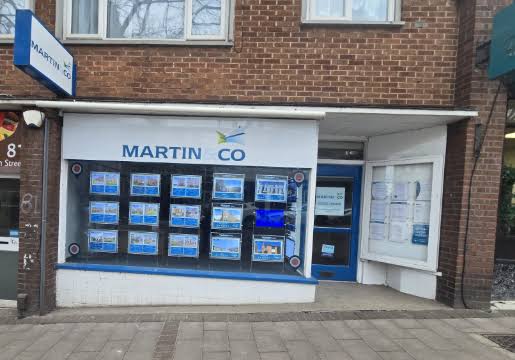

Managing property over the long term requires careful planning, regular oversight and a clear understanding of your responsibilities as a property owner. Whether you own commercial premises, an investment property or a portfolio of buildings, choosing the right professional support can help protect your asset and manage its ongoing performance. Property Consultants in Exeter can provide local market knowledge and practical guidance to help landlords and investors make informed decisions about property management, maintenance and long-term value.
But how do you identify a consultant who understands your requirements and can support your property goals over time? Here are the key factors to consider.
1. Look for Local Property Market Knowledge
Understanding the local market is an important part of effective property management. Exeter has a varied property market, with opportunities across commercial, retail, office and industrial premises, as well as residential investment properties.
A consultant with relevant local knowledge can help you understand rental demand, market conditions and the factors that may influence your property’s performance. This insight can be useful when reviewing rental levels, considering new tenants or deciding whether improvements are worthwhile.
When assessing a consultant, ask about their experience in Exeter and the surrounding areas. Find out whether they have worked with properties similar to yours and can explain the local factors that may affect your management strategy.
2. Check Their Property Management Experience
Property management involves a range of responsibilities that can vary depending on the property type, ownership structure and lease arrangements. It is important to choose a consultant whose experience matches your requirements.
For commercial property, this may include tenant relationships, lease obligations, maintenance coordination and service charge matters. For investment properties, the priorities may include rental performance, ongoing costs and protecting the condition of the asset.
Ask potential consultants about the properties they manage, the services they provide and how they approach common challenges. Relevant experience can help you assess whether they are equipped to support your property over the long term.
3. Understand the Services They Offer
Before appointing a consultant, establish exactly what their service includes. Some firms focus on strategic advice, while others provide ongoing management or a wider range of property services.
Depending on your needs, relevant services may include:
- Tenant management: Supporting communication with tenants and helping address property-related issues.
- Maintenance coordination: Arranging inspections, repairs and planned maintenance where included in the service.
- Lease administration: Monitoring important dates, reviewing lease obligations and supporting relevant negotiations.
- Rental performance reviews: Helping assess rental levels against market conditions.
- Property strategy: Advising on longer-term plans for improving, retaining or disposing of an asset.
Not every consultant will offer all these services. Request a clear breakdown of what is included, what falls outside the agreement and whether additional fees apply.
4. Prioritise Communication and Transparency
A long-term property management relationship depends on clear communication. You should know who your main contact is, how often you will receive updates and how urgent issues will be handled.
A reliable consultant should explain matters in straightforward language, respond to reasonable queries and keep you informed about significant developments. Regular reporting can also help you understand maintenance expenditure, tenant matters and other issues affecting your property.
Transparency around fees is equally important. Ask for a written explanation of management charges, additional service costs and the terms for ending or changing the agreement.
Clear expectations at the outset can reduce misunderstandings and help establish a productive working relationship.
5. Evaluate Their Approach to Maintenance and Risk
Routine maintenance plays an important role in protecting a property’s condition and avoiding preventable problems. Small issues can become more expensive if they are left unresolved, while poorly planned expenditure can affect your budget.
Ask how the consultant approaches property inspections, maintenance planning and the coordination of contractors. Find out how repairs are prioritised, how costs are approved and how completed work is recorded.
For commercial properties, it is also important to understand how relevant legal, safety and lease obligations will be identified and managed. Responsibilities can differ according to the property, its use and the terms of the agreement, so ensure the proposed service is clear about what it covers.
A structured approach can help you plan expenditure more effectively and maintain appropriate oversight of your asset.
6. Review Their Reputation and Track Record
A consultant’s previous work can offer useful insight into their experience and approach. Look for relevant client testimonials, case studies and examples of properties or projects they have managed.
Rather than relying only on general claims, consider whether their experience relates to your property type and long-term objectives. You could ask how they handle tenant concerns, unexpected maintenance costs or changes in market conditions.
Professional qualifications and memberships may also be relevant, particularly where specialist advice or regulated services are involved. Check that the consultant has the appropriate expertise for the work you need.
Reviews and credentials are useful indicators, but they should be considered alongside the proposed services, communication standards and management arrangements.
7. Consider Their Long-Term Strategy
Effective property management should look beyond immediate tasks. A consultant should understand your broader objectives, whether these involve maintaining rental income, protecting the property’s condition, reducing avoidable costs or preparing for a future sale.
Ask how they would review the property’s performance over time and identify opportunities for improvement. This could involve monitoring rental conditions, planning maintenance, reviewing tenant requirements or assessing whether changes to the property’s use or configuration warrant further investigation.
The right approach will depend on your circumstances. A good consultant should provide realistic recommendations and explain the potential costs, benefits and risks rather than promising guaranteed results.
Making the Right Choice
Finding the right property consultant in Exeter starts with understanding what you need from a long-term management relationship. Consider their local knowledge, relevant experience, service offering, communication, transparency and approach to maintenance.
Before making a commitment, compare proposals, clarify responsibilities and ensure the agreement reflects your expectations. It is also worth discussing how performance will be reviewed and how you can raise concerns if your requirements change.
With the right professional support, property owners and investors can take a more organised approach to managing their assets, addressing ongoing responsibilities and planning for the future. Choosing a consultant who understands both your property and your long-term objectives can help you make informed decisions throughout the ownership journey.
Add a stronger Exeter-specific introductionClarify the target property owners
