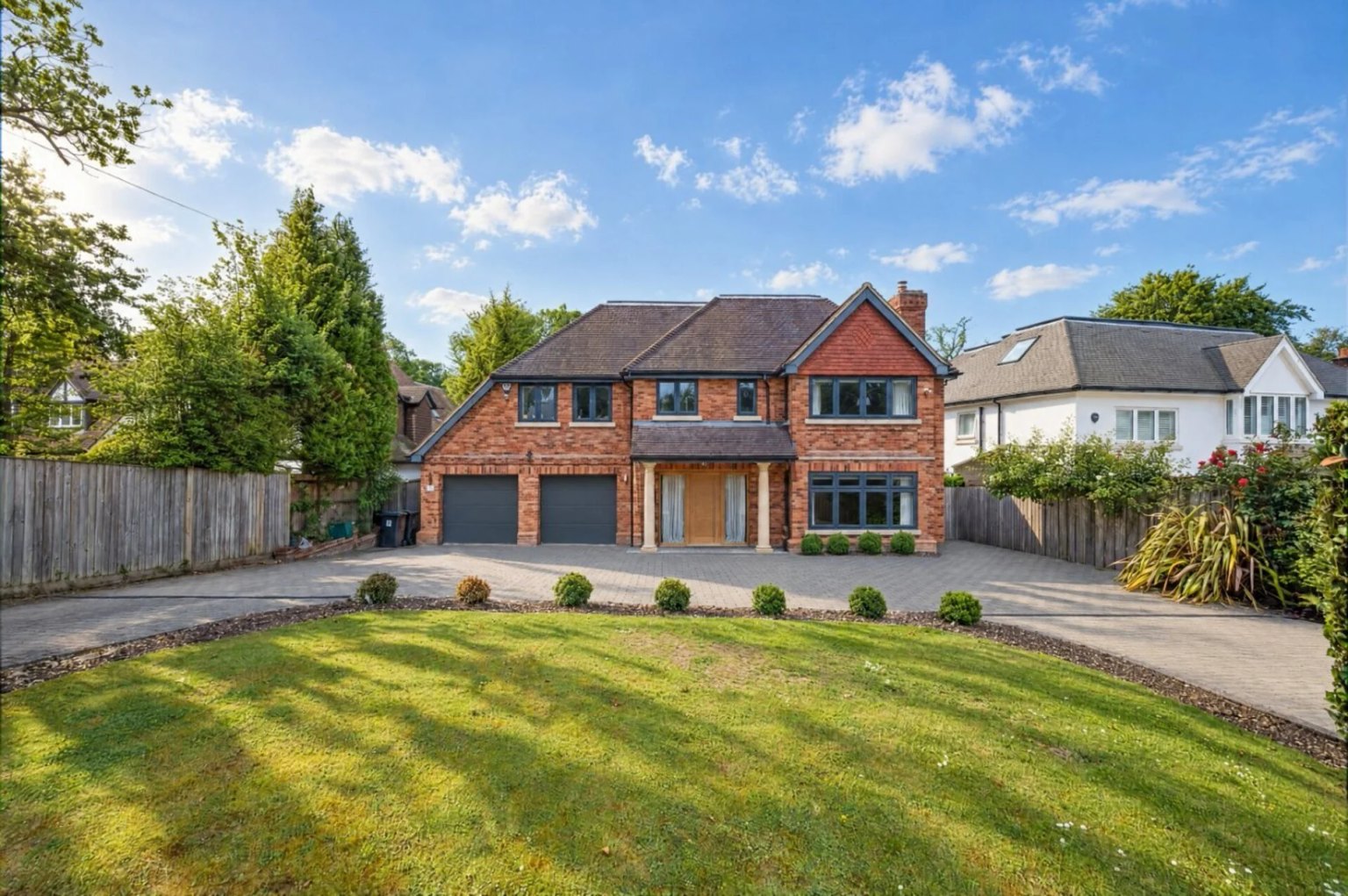

Searching the big property websites every morning is a familiar routine for house hunters, but in a competitive market the best homes can attract interest before they ever appear online. This is where estate agents in Orpington can make a real difference. Local agents often hear about new instructions early, know which sellers are preparing to market, and can match them with people who are ready to move. If you are buying in Orpington, understanding how this works can help you get ahead of the crowd and avoid the disappointment of missing out.
Why Homes Sometimes Sell Before Going Online
Not every property follows the same path to market. Some sellers prefer a quiet, discreet sale. Others are still finalising photographs, floorplans and the Energy Performance Certificate, so an agent may already be talking to interested buyers while the listing is being prepared. In other cases, a home is offered to buyers on the agent’s register first because the agent believes a suitable match already exists.
Whatever the reason, the result is the same. Buyers who are registered with an agent and well prepared often hear about a property days, or sometimes weeks, before the general public.
The Value of a Local Buyer Register
Most agents keep a database of active buyers, recording their budget, preferred areas, property type and circumstances. When a new home comes in, the team can scan the register and call the most suitable people first.
To benefit, you need to be on that list and to be specific. Tell the agent whether you want a family house near good schools, a flat close to Orpington station for the commute into London, or a bungalow with a manageable garden. The clearer your brief, the easier it is for them to think of you when the right home arrives.
Local Knowledge You Will Not Find in a Listing
An online advert shows photographs and a description, but it cannot tell you what living on a particular road is really like. Agents who work in the area every day can add context, such as:
• how different parts of Orpington, from the High Street area to the quieter residential roads, compare in character;
• which streets tend to attract families and which suit downsizers;
• how traffic, parking and train services affect daily life;
• recent sale prices on nearby roads, which shows whether an asking price is realistic;
• planned local developments that may influence the area.
This insight helps you shortlist properly and avoid wasting weekends on homes that were never going to suit you.
Getting Ready to Move Quickly
Being first through the door only helps if you can act. Agents prioritise buyers who are credible, so a little preparation goes a long way.
1. Arrange your finances. Obtain a mortgage agreement in principle, or confirm your cash position, so you can show you are serious.
2. Know your chain position. If you have a property to sell, getting it valued and on the market, or at least agreed with an agent, strengthens your standing.
3. Instruct a solicitor early. Having a conveyancer lined up means you can proceed as soon as an offer is accepted.
4. Decide your priorities. Separate the must-haves from the nice-to-haves so you can judge a home quickly.
Sellers and agents tend to favour buyers who are proceedable, because they reduce the risk of a deal falling through.
Building a Good Relationship with Your Agent
Estate agents are people, and the buyers they remember are usually the ones who communicate well. Return calls promptly, give honest feedback after viewings and explain why a property was not right. That feedback helps the agent refine their search for you and shows you are engaged.
Be realistic as well. If your budget is tight for the area, a good agent will tell you so and may suggest nearby streets or property types that offer better value. Treat that advice as useful rather than discouraging.
Viewing Properties Efficiently
When you do get an early viewing, go in prepared. Take a list of questions and look beyond the décor. Check the condition of the roof, windows and boiler, look for signs of damp, and ask about the age of key installations. Find out how long the owners have lived there, why they are moving and what is included in the sale.
If possible, return for a second visit at a different time of day to see how busy the road becomes and how much natural light the rooms receive. Agents are generally happy to arrange this for serious buyers.
Negotiating from a Position of Knowledge
Early access gives you time to think, but it does not mean you should overpay. Ask the agent about the seller’s circumstances, how much interest there has been and whether other offers are expected. While agents act for the seller, they can still guide you on what is likely to be acceptable. Backing up your offer with recent comparable sales and a clear ability to proceed makes it more persuasive.
What About the Portals?
Property portals remain a valuable tool, and you should keep using them. They help you understand the market, spot trends in pricing and see what is available across several agents. The best approach combines both: set up alerts online, and build relationships with a few local agents so you hear about opportunities directly.
Final Thoughts
In a busy market, timing matters. By registering with local agents, being clear about what you want and preparing your finances in advance, you give yourself the best chance of seeing homes before the crowds. Estate agents bring local expertise, early information and practical support, all of which can make your search quicker and less stressful.
If you are thinking of buying in Orpington, a conversation with a knowledgeable local agent is a sensible first step towards finding the right home. Start early, and tell them exactly what you want.
