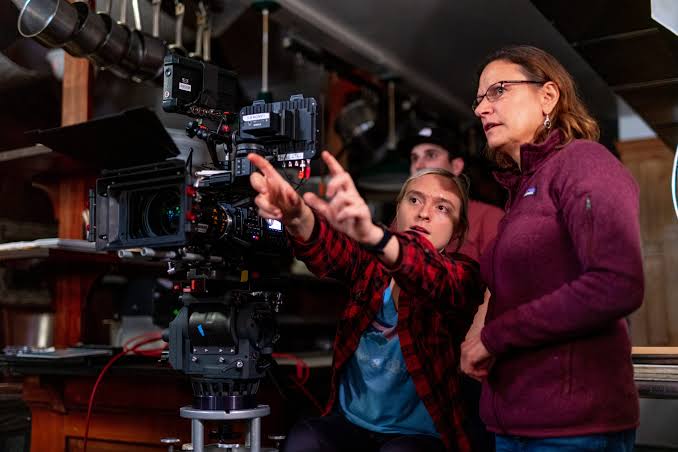

A director’s vision influences nearly every aspect of a film, from the way a scene is framed to the emotions audiences experience during its most memorable moments. While independent filmmakers often work with limited resources, directors across the industry face a similar challenge: turning an idea into a compelling story that connects with viewers. The process requires creativity, technical knowledge, and a willingness to make difficult decisions. Whether producing a small independent drama or an ambitious action adventure like Matchbox: The Movie, filmmakers must balance visual storytelling, character development, and production demands to create something audiences will remember.
Framing the Creative Vision
Every successful film begins with a clear creative direction. Directors establish the tone, themes, and visual identity that guide production, ensuring individual scenes contribute to the larger story. Camera angles, lighting, locations, and movement all influence how audiences interpret what they see. A close-up might reveal a character’s uncertainty, while a sweeping landscape shot can communicate freedom, isolation, or the scale of an adventure.
For independent directors, financial limitations often encourage creative solutions. Natural lighting, practical locations, and carefully planned camera movements can produce striking visuals without expensive equipment. Larger productions may have access to more elaborate resources, but the underlying principle remains the same. Every visual decision should serve the story rather than simply demonstrate technical capability.
Building Strong Actor-Director Relationships
A film’s emotional impact often depends on the relationship between its director and performers. Actors need enough direction to understand their characters while maintaining the freedom to deliver authentic performances. Finding that balance requires communication, trust, and preparation.
Directors frequently work with actors before filming begins to discuss motivations, relationships, and important emotional moments. Rehearsals help performers understand how their characters develop throughout the story. However, some of the most memorable scenes emerge when directors allow room for spontaneous reactions or subtle improvisation.
Casting also contributes significantly to a director’s vision. Established performers can bring experience and familiarity, while emerging actors may introduce unexpected interpretations. The goal isn’t necessarily to assemble the most recognizable cast, but to find performers who can make the characters believable.
Technical Choices That Shape the Experience
Filmmaking involves hundreds of technical decisions that audiences may never consciously notice. Editing styles, camera movement, color grading, and sound design work together to establish a film’s personality.
Consider the difference between a fast-paced action sequence and a quiet conversation. Rapid cuts, moving cameras, and layered sound effects can create excitement and urgency. Longer shots and restrained sound design encourage viewers to focus on dialogue, expressions, and emotional tension.
The best directors understand when to use each approach. Constant movement can become exhausting, just as overly restrained visuals can weaken an energetic story. Thoughtful pacing helps audiences remain engaged without overwhelming them.
Sound deserves particular attention. Background noise, music, and carefully placed moments of silence can dramatically influence how viewers experience a scene. Even a relatively modest production can feel immersive when its sound design supports the director’s intentions.
Production Design as a Storytelling Element
Production design does more than make a movie visually appealing. It communicates information about characters, environments, and the world they inhabit.
A cluttered apartment might suggest a character struggling with responsibilities, while a carefully maintained vintage vehicle could reveal someone’s attachment to the past. These details allow filmmakers to communicate information without relying on lengthy explanations.
Independent productions frequently achieve this through resourcefulness. Existing locations, secondhand furniture, and carefully selected props can create believable environments without requiring elaborate sets.
For larger productions, production designers may construct entire environments to support the story. Regardless of budget, the most effective designs feel intentional. Audiences should experience the world naturally rather than become distracted by unnecessary visual details.
Editing and the Importance of Rhythm
A director’s work continues long after filming ends. Editing transforms individual performances and recorded scenes into a cohesive narrative.
During postproduction, directors and editors evaluate pacing, transitions, and emotional continuity. Scenes that worked beautifully during filming may need to be shortened or removed if they interrupt the story’s momentum. Making these decisions can be difficult, particularly when considerable effort went into producing the footage.
The editing process also determines how information reaches the audience. Revealing a character’s reaction before an important event can create anticipation, while withholding that reaction might build suspense.
Music and sound mixing further refine the experience. When these elements complement the editing rather than compete with it, the finished film feels more natural and engaging.
Connecting Films With Their Audiences
Creating a compelling movie is only part of the challenge. Directors must also consider how their work will reach viewers.
Independent filmmakers often rely on festivals, community screenings, interviews, and word-of-mouth recommendations to generate interest. These opportunities allow directors to explain their creative choices and build relationships with audiences who appreciate distinctive storytelling.
Major productions typically benefit from broader promotional campaigns, streaming distribution, and established entertainment partnerships. Still, both approaches share an important objective: helping audiences understand what makes a particular film worth watching.
Promotional materials, trailers, and behind-the-scenes discussions can introduce the film’s atmosphere without revealing too much of the story. A well-executed campaign highlights the experience audiences can expect while preserving the surprises that make watching enjoyable.
Developing a Recognizable Directorial Style
Great directors rarely develop their creative identities overnight. Their approaches evolve through experimentation, collaboration, and lessons learned during production.
Some become known for energetic camera movement and elaborate action sequences. Others favor intimate character studies, restrained dialogue, or distinctive visual compositions. These preferences gradually become recognizable characteristics of their work.
Maintaining a personal style doesn’t mean repeating the same techniques in every project. Filmmakers must remain willing to explore new genres, technologies, and storytelling methods.
The strongest creative voices emerge when directors understand their own preferences while remaining open to ideas from collaborators. Cinematographers, editors, production designers, and performers can all introduce perspectives that strengthen the original concept.
Bringing the Director’s Vision to Life
Filmmaking is ultimately a collaborative process guided by a shared creative vision. Every department contributes something essential, but the director helps ensure those contributions support a consistent story.
Budget, genre, and production scale may influence the available resources, yet thoughtful decisions remain central to memorable filmmaking. Strong performances, purposeful visuals, effective pacing, and detailed production design can elevate stories of almost any size.
For aspiring filmmakers, the most valuable lesson is that creative direction requires more than technical expertise. It demands curiosity, adaptability, and a clear understanding of the audience’s experience. When these qualities come together, a film can leave a lasting impression long after the credits roll.
