
One of the first decisions a landlord faces is whether to let a property furnished or unfurnished. It sounds simple, but the answer affects who will rent your home, how quickly you find them, how much wear the property suffers and ultimately how much you earn. Local conditions matter too. Experienced letting agents in Faversham will tell you that this historic Kent market town draws a varied mix of tenants, from London commuters to families and downsizers, and their expectations differ. This article weighs up the pros and cons of each option so that you can choose with confidence.
Understanding the definitions
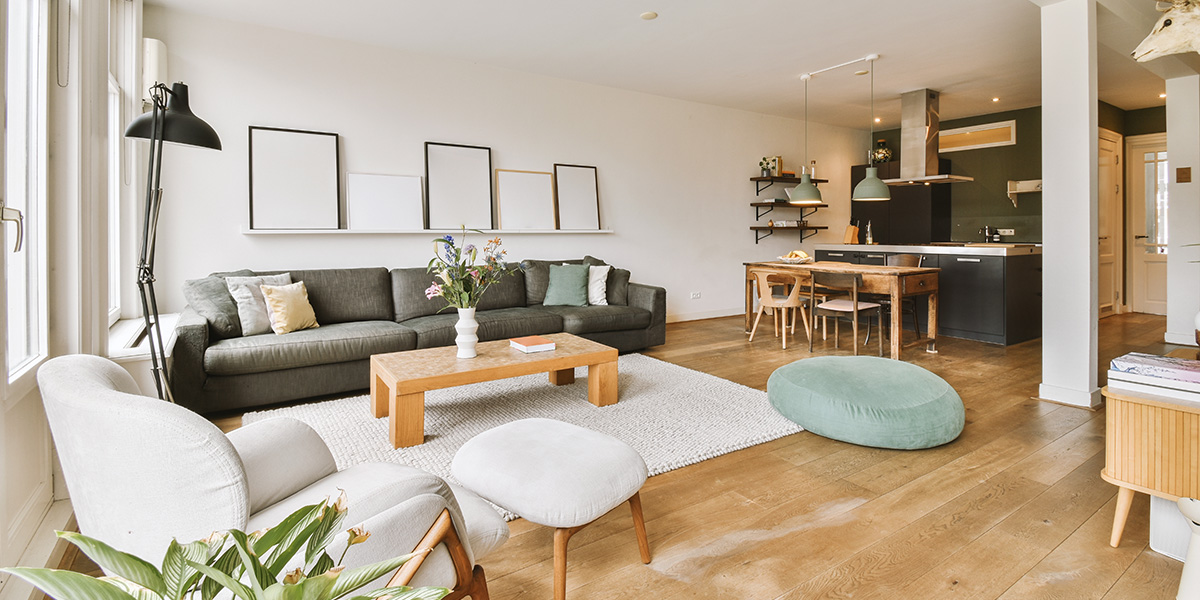
An unfurnished property usually comes with only fixtures such as bathroom fittings, and perhaps a kitchen with built-in appliances. Tenants bring their own furniture. A furnished property includes everything needed to move in, such as beds, sofas, tables, wardrobes and often white goods, crockery and curtains. Between the two lies a part-furnished option, which might include a few key items, such as appliances and window coverings.
Whatever you choose, make sure the agreement and inventory state exactly what is included.
What tenants want in Faversham
Faversham combines historic streets, a lively market, a creekside setting and a fast rail link to London, making it popular with commuters and people seeking a change of pace. Different groups of tenants tend to look for different things:
• Young professionals and commuters often prefer furnished homes, because they may not own furniture or wish to move it, and they value convenience.
• Families typically own furniture and favour unfurnished properties, where they can make the house their own.
• Short-term or relocating tenants, such as people on work contracts, usually want furnished accommodation they can move into at once.
• Older tenants and downsizers may already have belongings and often prefer unfurnished homes.
Understanding the likely tenant for your property is the first step. A two-bedroom flat near the station may suit a furnished let, whereas a family house on a quiet street is probably better unfurnished.
The financial picture
Furnished lets can sometimes command a higher rent, since tenants are paying for convenience. However, the premium is not guaranteed, and it varies with the quality of the furniture, the type of property and market conditions. A rough rule is that the additional rent should more than cover the cost of the furniture, its replacement and the extra management involved.
Consider the cost of providing the following:
• Beds, mattresses and bedding frames
• Sofas, chairs and tables
• Wardrobes and storage
• White goods and kitchen equipment
• Curtains, blinds and flooring
Furniture is an upfront investment, and it will wear out. Allow for replacement and repairs over time. Under current tax rules, landlords can claim relief for replacing domestic items, but the old wear and tear allowance for furnished lets no longer exists, so speak to an accountant about how it applies to you.
Void periods and demand
Furnished homes can appeal to a wider pool of tenants who need to move quickly, which may reduce the time the property sits empty. On the other hand, some tenants dislike living with someone else’s furniture, so a poorly furnished home can be harder to let than a clean, unfurnished one.
Unfurnished properties can attract longer-term tenants who plan to stay, and this stability can reduce turnover costs. With periodic tenancies now the norm in England following the Renters’ Rights Act, tenants can leave on notice at any time, so retention matters even more.
Wear and tear, and deposits
Providing furniture means you are responsible for its condition. Disputes about damage are common, and it is more difficult to prove what has been damaged without a detailed inventory. A thorough inventory with dated photographs, signed at the start of the tenancy, is essential for both furnished and unfurnished lets.
Remember that tenancy deposits in England are capped at five weeks’ rent where the annual rent is below £50,000. Deposits must be protected in an approved scheme. You cannot charge extra simply because the property is furnished, though the rent may reflect it.
Safety and legal requirements
Furnished lets bring additional obligations. Upholstered furniture, such as sofas, mattresses and cushions, must meet fire safety regulations and carry the appropriate labels. Electrical appliances must be safe, and regular testing is sensible. Gas and electrical installations, smoke alarms and carbon monoxide alarms are required in both furnished and unfurnished properties.
If you are unsure about what is required, ask your letting agent or check current government guidance.
Maintenance and management
Furnished properties demand more maintenance. Furniture may need repairs or replacement, and appliances can break. You also need a process for dealing with tenant requests about furnishing issues. An agent offering full management can handle these matters, but they will charge for it, so factor this into your calculations.
An unfurnished property is generally simpler to manage, with fewer items to inspect and replace. For landlords who want a hands-off approach, this simplicity may be attractive.
Which should you choose?
There is no universal answer, but these questions can guide your decision:
1. Who is the most likely tenant for this property?
2. What does the local market offer, and what are similar homes being let as?
3. Can the extra rent justify the cost of the furniture?
4. Are you willing to manage the additional upkeep?
5. How long do you hope tenants will stay?
Take advice from a local letting agent who can tell you what is currently in demand and what rent each option is likely to achieve. If you are undecided, a part-furnished arrangement may offer a useful compromise, giving flexibility without the full expense of furnishing.
Make the numbers work
Ultimately, the right choice is the one that suits your property, your target tenant and your financial goals. Compare the likely rent, the upfront cost, the risk of voids and the effort involved. With realistic figures and local advice, you can decide whether furnishing your Faversham rental is a sound investment or an unnecessary expense.
