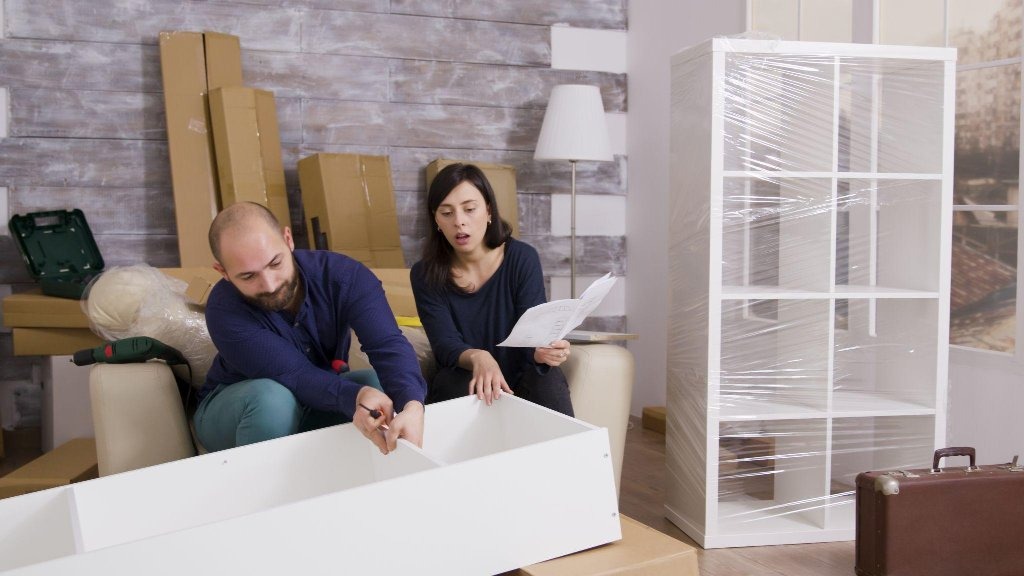

This guide walks you through how to dispose of unwanted furniture in a smart, practical way. You may decide to donate furniture before moving, earn a little money by selling furniture before a move, or use simple furniture removal tips to keep the whole process calmer. Either way, a little planning now can save you a lot of sweat later.
Practical Furniture Removal Tips to Simplify Your Move
Before boxes crowd every corner, take a clear look at what is actually coming with you. This is where many people get stuck. They assume they will “figure it out later,” and later usually arrives with a moving truck outside.
Local pickup programs can make the job easier too. Residents rated the helpfulness of the program at 4.62 out of 5, while the ease of participation received a rating of 4.77 out of 5.
Create a Pre-Move Inventory
Go room by room with your phone. Take photos of beds, tables, chairs, cabinets, shelves, and anything awkward to carry. Add quick notes about size, condition, and whether it is worth keeping.
When you begin comparing moving estimates or reading up on movers, it helps to use BookMyMove. You can compare moving companies and check useful moving guides before you commit to a booking.
Sort by Keep, Sell, Donate, or Toss
Give each item a simple label: keep, sell, donate, recycle, or toss. No overthinking. If a dresser has a few marks but still works well, it may be worth selling. If your couch is clean but not worth the hassle of listing, donation could be the easier path.
Once your inventory is done and your timeline is clear, you can choose the most responsible way to remove what you no longer need.
Sustainable Ways to Dispose of Unwanted Furniture Responsibly
It is tempting to send everything straight to the dump, especially when moving week feels chaotic. But if you know how to dispose of unwanted furniture properly, you may reduce waste, avoid extra fees, and even help someone else furnish a home.
Try Reuse, Recycling, and City Programs
Wood tables, metal bed frames, filing cabinets, and certain office pieces may be accepted at recycling centers. Rules differ by city, so check ahead. Some places require appointments. Others limit item size or only collect bulk furniture on specific days.
City bulk pickup can be a lifesaver, but it is not always flexible. Confirm what they accept, when they collect, and where items must be placed.
Hire Help for Heavy Items
Some furniture is simply not worth wrestling with yourself. Oversized sectionals, armoires, wall units, and basement furniture can be risky to move without help.
If you hire a removal crew, ask what happens after pickup. Do they separate reusable items? Do they partner with donation centers? Do they recycle when possible? A few questions can keep usable furniture out of a landfill.
Once you have explored greener options, look at the pieces that still have resale value.
Maximizing Your Return When Selling Furniture Before a Move
Some furniture still has plenty of life left. Better yet, it may put a little cash back in your pocket. Done early, selling furniture before a move can reduce moving costs and free up space fast.
Use Online Marketplaces Wisely
Facebook Marketplace, Craigslist, and OfferUp are useful for common items such as desks, dining sets, shelves, bed frames, and accent chairs. Take bright photos from several angles. Include exact measurements. Mention scratches, loose handles, stains, or missing parts.
Honesty saves time. Nobody enjoys carrying a table down two flights of stairs only to hear, “Oh, I didn’t realize it looked like that.”
Host a Moving Sale
If you have several items to clear at once, a garage or driveway sale can work well. Price things slightly above your lowest acceptable amount so there is room to negotiate.
That said, do not let one stubborn buyer derail your day over five dollars. Your real goal is space, speed, and fewer items on the truck.
After you sell what you can, you may still have useful furniture that is not worth listing one piece at a time.
How to Donate Furniture Before Moving for Maximum Impact
Donation is often the easiest choice for furniture that is clean, safe, and usable. It keeps good items in circulation and supports families, shelters, resale charities, and community programs.
Find the Right Organization
The Salvation Army, Habitat for Humanity ReStore, Goodwill, Furniture Bank groups, and local shelters may accept furniture, depending on condition and local need. For every dollar invested into Furniture Bank, $5.76 of measurable value was created.
Before scheduling pickup, check accepted item lists. One organization may take dining tables but not mattresses. Another may accept sofas only if they are stain-free.
Prepare Items Before Pickup
Wipe surfaces, vacuum cushions, tighten loose screws, and empty all drawers. Remove personal papers, chargers, keys, and random mystery items that tend to hide in furniture.
If you plan to donate furniture before moving, ask for a receipt and take photos for your records. It is a small step, but it keeps everything organized.
Now, what about furniture that is too worn to donate but still too useful to throw away?
Bonus Ways to Repurpose or Reuse Old Furniture
Not every tired piece needs to leave your life. Sometimes it just needs a new job. A little creativity can save money in your next home.
Try Simple DIY Reuse
A scratched dining table can become a garage workbench. A narrow bookshelf can fit inside a closet. An old dresser may work in a laundry room, mudroom, or storage area.
You do not need to become a weekend carpenter. Even basic reuse can stretch your budget and prevent unnecessary waste.
Give Items Away Locally
Freecycle, Buy Nothing groups, and neighborhood apps are perfect for fast furniture giveaways. People will often pick up items quickly if they are free and clearly described.
Be upfront about condition. Mention stairs, elevator access, parking, and whether the person must carry the item without help. Clear details prevent awkward doorstep surprises.
Even with good reuse options, a few common mistakes can slow everything down.
Avoid Common Mistakes Before Moving Day
Most furniture headaches come from waiting too long. The second biggest problem? Assuming someone else will definitely take an item. A little checking now can prevent panic later.
Don’t Miss Eligibility Rules
Donation centers may reject stained mattresses, broken recliners, furniture with strong odors, or items with pet damage. Recycling centers may also ask you to separate wood, metal, glass, or fabric before drop-off.
Do not load your car before confirming the rules. That is a mistake people usually make once.
Don’t Misjudge Value or Timing
That entertainment center may have cost a fortune years ago, but today’s buyers may not rush to grab it. Large, outdated pieces can sit online for weeks.
When getting rid of furniture before moving, post sale items early and keep a backup plan ready. If it does not sell by a certain date, donate, give away, recycle, or schedule removal.
With the major pitfalls covered, it helps to pull everything into one simple checklist.
Essential Checklist for a Smooth Furniture Removal Experience
A written plan keeps decisions from piling up during the final week. Think of it as a guide, not a rigid rulebook.
Set Your Timeline
Four weeks out, photograph and list your furniture. Three weeks out, start posting valuable pieces. Two weeks out, schedule donation pickups or city bulk collection. During the final week, confirm buyers, haulers, recycling rules, and pickup windows.
The earlier you start, the less desperate everything feels.
Compare Your Options
| Option | Works Best For | Main Benefit | Watch Out For |
| Sell | Clean, popular pieces | Extra cash | Slow buyers |
| Donate | Gently used items | Community impact | Pickup limits |
| Recycle | Metal or wood items | Less waste | Drop-off rules |
| Haul away | Bulky items | Fast removal | Added cost |
Keep Contacts Handy
Save phone numbers for donation centers, city waste services, recycling locations, junk removal crews, and anyone buying furniture. If you are still comparing movers or looking for move-prep advice, keep BookMyMove in your planning notes.
Once your checklist is ready, a few practical questions may still come up.
Final Thoughts on Furniture You No Longer Need
A smoother move starts with honest decisions. Keep what truly fits your next home. Sell pieces people still want. Donate furniture that can help someone else. Recycle what you can, and bring in help for the heavy stuff when needed.
The best furniture removal tips are not complicated: start early, confirm the rules, and never rely on guesswork. Every item you sell, donate, recycle, or remove makes moving day lighter. And honestly, fewer bulky surprises mean a calmer start in your new place.
Common Questions About Furniture Removal Before Moving
What is the easiest way to dispose of furniture?
The easiest option is usually scheduled pickup through a charity, city bulk service, or licensed junk removal company. Choose based on condition. Donate clean furniture, recycle usable materials, and haul away broken pieces.
How to get rid of everything before moving?
Start early and sort items into sell, donate, recycle, and trash categories. Post valuable pieces first, arrange donation pickups next, and book hauling for whatever remains. Try not to leave it all for the final weekend.
Can I donate furniture before moving if it has scratches?
Yes, minor scratches are usually fine if the item is sturdy, clean, and safe. Large stains, broken frames, odors, pest signs, or heavy damage may cause charities to reject it.
Read also Optimizing cash flow through logistics: the hidden financial cost of long lead times in adult retail
Read also You Probably Use More AI Than You Think, and the Regulators Have Noticed
