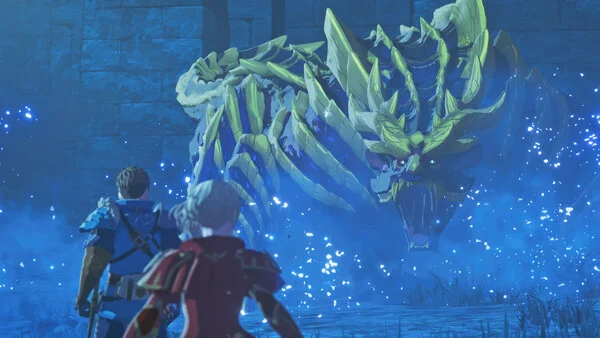

Monster Hunter Stories 3: Twisted Reflection will launch on Xbox on PC on 18 November, giving Windows 11 players access to Capcom’s turn-based role-playing game through the Xbox ecosystem. The release will include Xbox Play Anywhere support, allowing players to move between a console, PC and compatible handheld without purchasing the game again.
The PC launch arrives during a busy period for digital entertainment, when players may move between a long role-playing adventure, short multiplayer sessions and Megaways slot games. Monster Hunter Stories 3 offers a much larger commitment, with an extended story, creature collection, exploration and turn-based battles built around the Monster Hunter universe.
The game originally launched in March 2026 on PlayStation 5, Xbox Series X and S, Nintendo Switch 2 and Steam. The new Xbox on PC version does not introduce a separate story, but it gives Microsoft users a more connected way to play across different devices.
What is Monster Hunter Stories 3 about?
The game takes place in Azuria, a kingdom facing a threat known as the Encroachment. The strange phenomenon is turning living creatures into crystal and causing serious damage across the region.
The player takes the role of an heir to Azuria and the last Rathalos Rider in the kingdom. The story begins when two Rathalos hatch from a single egg, an event that reignites tensions between Azuria and the neighbouring kingdom of Vermeil.
That setup gives the game a more serious tone than the bright presentation of some earlier entries. Political conflict, environmental damage and the disappearance of important creatures all influence the journey. The player is not simply travelling through the world to collect monsters. They are also trying to understand why the Encroachment is spreading and how the two kingdoms can avoid a larger war.
The story remains accessible to players who have not played the first two Monster Hunter Stories games. Familiar creatures and ideas return, but the campaign introduces a new region, new characters and a separate conflict.
Monster Riders use turn based combat
Monster Hunter Stories 3 uses turn based battles rather than the real time combat found in Monster Hunter Wilds. That change affects every decision.
Players choose actions for their Rider and their active Monstie, then respond to the enemy’s behaviour. Attacks are built around different types, creating a system in which reading an opponent can be as important as improving equipment.
A strong monster may still lose if the wrong move is selected repeatedly. Players need to watch patterns, change their Monstie and decide when to use skills, items or special attacks. The system gives battles a steady pace, allowing time to consider the next action instead of relying only on quick reactions.
Monsties are the monsters that can be raised and used by Riders. They are collected, developed and added to the player’s travelling party. Different creatures bring different strengths, so building a balanced group is more useful than relying on one powerful companion.
Some Monsties also help with exploration. Their abilities can open routes, reach elevated areas or cross parts of the environment that are inaccessible on foot. That makes creature collection part of the wider adventure rather than a feature used only during combat.
Exploration reaches beyond the main path
Azuria contains settlements, wild areas and locations connected to the Encroachment. The player can follow the central story, but optional activities give the world more depth.
Resource gathering supports equipment upgrades and other forms of preparation. Monster parts can be used to create stronger weapons and armour, linking exploration with progression. Players who spend time searching areas carefully may find materials that make later battles easier.
The game also encourages players to return to earlier locations with new abilities. A route that was blocked at the beginning may become accessible after a Monstie joins the party or the Rider gains a new skill.
This structure keeps exploration connected to the role-playing systems. Players are not only travelling towards the next story mission. They are building a party, collecting materials and preparing for enemies that may require a different approach.
What the Xbox on PC version adds
The main benefit of the November release is Xbox Play Anywhere. Players who buy the game through the Xbox digital storefront can access it on Xbox Series X and S, Windows 11 PCs and compatible Xbox handheld devices without purchasing separate versions.
Save data, achievements and additional content can transfer between those devices. A player can begin the story on a home console, continue on a PC and then return to the same save on a handheld.
That flexibility suits the game’s structure. Monster Hunter Stories 3 is built around long sessions, but exploration and equipment management can also work well in shorter periods. A handheld may be useful for gathering materials or completing side quests, while a larger screen can make story scenes and battles easier to enjoy.
PC players will also expect options for display settings, control layouts and performance. The Xbox version must provide a consistent interface across mouse and keyboard, controller and handheld controls. Menus are particularly important because the game includes party management, equipment, Monstie skills and crafting.
Extra rewards connect the game with Monster Hunter Wilds
Capcom has announced additional rewards for players with existing Monster Hunter Wilds save data. After updating the relevant game and linking a platform account with a CAPCOM ID, players can obtain the Hope Armour layered set in Monster Hunter Stories 3.
A separate Catcom Works outfit is also available for Rudy, the series’ Palico companion. These items are cosmetic rewards, so they do not replace the main progression system or give a major combat advantage.
Two free downloadable items are also planned through platform stores. Players should check the exact requirements on their chosen platform before starting, particularly if they are moving between console and PC versions.
A useful second entry point for Xbox players
The November release gives Xbox PC users an easier way into a series that has usually been associated with Nintendo hardware and Steam. It also arrives during Monster Hunter Stories’ tenth anniversary year, giving Capcom a reason to draw attention to the spin-off’s history.
Monster Hunter Stories 3 does not attempt to copy the hunting structure of Monster Hunter Wilds. Its appeal comes from the combination of creature collection, party planning and turn-based combat. The Xbox Play Anywhere release adds convenience, but the main test will be the same as it was on other platforms.
The game needs to make its story, battles and Monstie system strong enough to keep players exploring after the first major mystery is revealed. For Xbox users who enjoy a longer role-playing campaign and want to play across several devices, 18 November provides a new chance to enter Azuria.
